How Do Optometrists Diagnose Dry Eye? What to Expect at Your Evaluation in Missoula
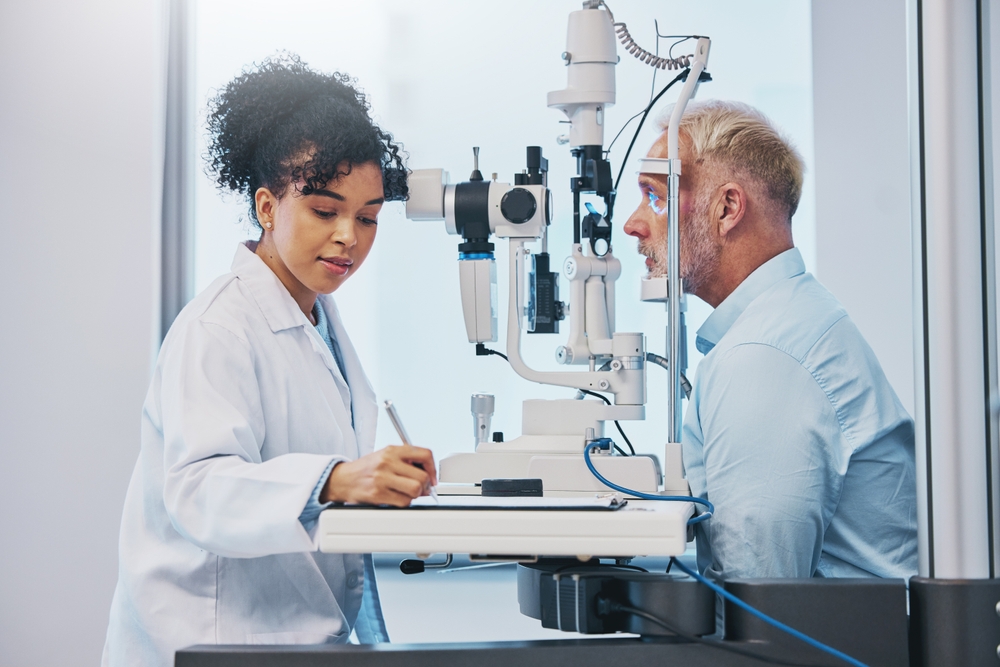
Dry eye can cause burning, irritation, redness, watery eyes, blurry vision, and discomfort that makes everyday activities more difficult. Because these symptoms can have several underlying causes, determining why your eyes feel dry is an important first step toward effective treatment. At Felton Eyecare, a dry eye evaluation in Missoula can help us assess your tear film, eyelid health, inflammation, and oil glands so we can recommend care based on what is actually causing your symptoms.
Your Dry Eye Evaluation Starts With Your Symptoms
Diagnosing dry eye is about more than confirming that your eyes feel uncomfortable. We want to understand when your symptoms occur, what makes them worse, and how they affect your daily routine.
During your evaluation, we may discuss factors such as screen use, contact lenses, medications, environmental exposure, previous eye conditions, and how long you have experienced symptoms. We also examine the surface of the eyes and eyelids for signs that can help identify the type and severity of dry eye.
Advanced Dry Eye Testing Can Identify the Cause
Different forms of dry eye require different approaches. Advanced diagnostic testing helps us look more closely at tear quality, inflammation, and meibomian gland health. Felton Eyecare offers testing that may include:
- TearLab to measure tear osmolarity and provide information about tear film stability
- InflammaDry to detect elevated MMP-9, a marker associated with inflammation on the ocular surface
- Meibomian gland photography to evaluate the glands responsible for producing the oils that help keep tears from evaporating too quickly
These findings help us determine whether symptoms may be related to inadequate tears, excessive tear evaporation, inflammation, meibomian gland dysfunction, or a combination of factors.
Why Meibomian Gland Health Matters
Meibomian gland dysfunction, or MGD, is a common contributor to dry eye. These glands sit along the eyelids and produce the oily layer of the tear film. When they become blocked or do not function properly, tears can evaporate too quickly.
By examining the meibomian glands during a dry eye evaluation in Missoula, we can determine whether gland dysfunction is contributing to burning, fluctuating vision, redness, or irritation.
When InMode IPL And RF Therapy May Be Recommended
Once we understand the source of your dry eye symptoms, we can create a more targeted treatment plan. For patients with inflammation or meibomian gland dysfunction, we may recommend InMode IPL and RF therapy.
InMode IPL uses intense pulsed light to help reduce inflammation and bacteria around the eyelid margins while supporting healthier meibomian gland function. RF therapy applies gentle heat to the eyelids and surrounding tissues to help open blocked glands, stimulate circulation, and improve tear stability. These non-invasive treatments can be customized to the individual patient and may be especially helpful for conditions such as MGD, blepharitis, and ocular rosacea.
If persistent dryness, burning, redness, watery eyes, or fluctuating vision is affecting your comfort, schedule a dry eye evaluation with Felton Eyecare in Missoula, MT, at (406) 309-6633.
Helpful Articles
All Eye Care Services
Find personalized eye care excellence with our comprehensive services. From eye exams to advanced diagnostics, trust us for all your vision needs.

Keep In Touch
For non-urgent questions or to learn more about our services, contact us today!
© 2026 Felton Eyecare. All rights Reserved - Accessibility Statement - Privacy Policy - Sitemap
Managed and Designed by 