Tired of Temporary Fixes? Why It's Time to Consider IPL for Chronic Dry Eye
Tired of Temporary Fixes? Why It's Time to Consider IPL for Chronic Dry Eye
Dry eye drops can offer short-term comfort, but they do not always address the underlying cause of ongoing irritation. For many patients, chronic dry eye is connected to inflammation and poor meibomian gland function. When symptoms keep returning, IPL for dry eye may provide a more targeted approach.
Why Dry Eye Symptoms Keep Coming Back
Healthy tears need a balanced mixture of water, oil, and mucus. The meibomian glands along the eyelids produce the oil layer that slows tear evaporation. When these glands become blocked or inflamed, tears may evaporate too quickly, leaving the eyes dry and uncomfortable.
This condition, known as meibomian gland dysfunction, is a common contributor to evaporative dry eye. Artificial tears can temporarily add moisture, but they may not improve blocked glands or chronic eyelid inflammation. That is why some patients continue to experience symptoms even after trying several over-the-counter products.
Signs That Temporary Relief Is Not Enough
Chronic dry eye can affect comfort, vision, contact lens wear, and daily activities. It may be time to consider a professional dry eye evaluation if you regularly experience:
- Burning, stinging, or gritty sensations
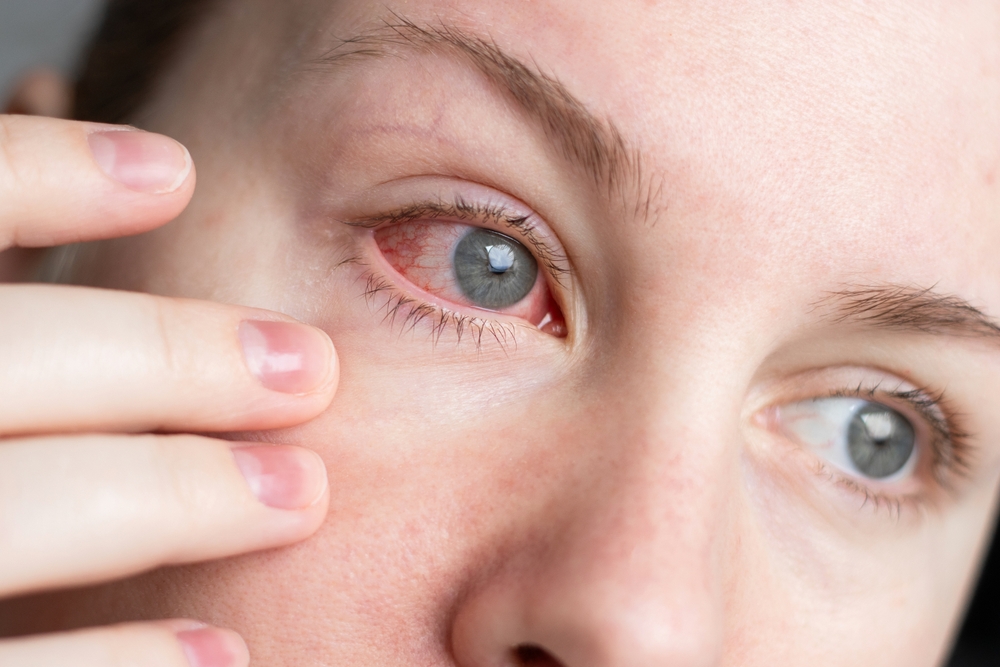
- Red or irritated eyes
- Watery eyes caused by reflex tearing
- Fluctuating or blurry vision
- Sensitivity to light
- Contact lenses that become uncomfortable quickly
These symptoms may also be associated with blepharitis, ocular rosacea, or other conditions affecting the ocular surface. A detailed evaluation helps identify what is contributing to the problem before treatment begins.
How IPL Helps Treat Chronic Dry Eye
Intense pulsed light therapy uses controlled pulses of light around the eyelids and upper cheeks. The treatment is designed to reduce inflammation and bacteria near the eyelid margins while supporting healthier meibomian gland function.
By addressing inflammation and helping the glands produce a more stable oil layer, IPL may improve tear quality and reduce evaporation. This approach focuses on one of the common drivers of chronic dry eye rather than simply covering up symptoms for a few hours.
At Felton Eyecare, we use InMode IPL as part of a personalized approach to dry eye care. Depending on the condition of the eyelids and glands, IPL may be combined with radiofrequency therapy. RF delivers gentle heat to help loosen blocked oils, stimulate circulation, and support tear stability.
What to Expect From IPL Treatment
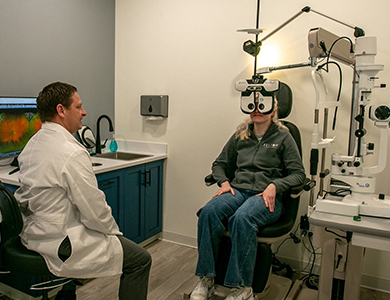
IPL is non-invasive and requires minimal downtime. Before recommending treatment, we examine the eyes, eyelids, tear film, and meibomian glands to determine whether IPL is appropriate. Each treatment plan is customized because dry eye severity, triggers, and gland function vary from person to person.
Improvement is often gradual as inflammation decreases and gland function becomes more consistent. Ongoing eyelid care, environmental adjustments, or other dry eye treatments may also be recommended to support longer-lasting results.
Is IPL Right for Your Dry Eye?
IPL may be a good option for patients with persistent dry eye symptoms linked to meibomian gland dysfunction, blepharitis, or ocular rosacea. The best way to know is through an evaluation that looks beyond symptoms and identifies the source of the irritation.
Take the next step toward lasting dry eye relief and contact Felton Eyecare in Missoula, Montana, at (406) 309-6633 to schedule your comprehensive eye exam today.
Helpful Articles
article_category: restorative
article_category: vision therapy
article_category: contact lenses
article_category: health
article_category: conditions
article_category: eye surgery co-management
article_category: exotic
article_category: cosmetic
article_category: products
article_category: psychiatry
article_category: faqs
article_category: cats
article_category: general
article_category: services
article_category: technology
article_category: dogs
article_category: surgical procedures
article_category: aesthetics
article_category: preventative
article_category: ocular disease management
article_category: eyeglasses
article_category: eye health
article_category: large animal
[]
article_category: vision therapy
article_category: contact lenses
article_category: health
article_category: conditions
article_category: eye surgery co-management
article_category: exotic
article_category: cosmetic
article_category: products
article_category: psychiatry
article_category: faqs
article_category: cats
article_category: general
article_category: services
article_category: technology
article_category: dogs
article_category: surgical procedures
article_category: aesthetics
article_category: preventative
article_category: ocular disease management
article_category: eyeglasses
article_category: eye health
article_category: large animal
[]
Flowbite is an open-source library of interactive components built on top of Tailwind CSS including buttons, dropdowns, modals, navbars, and more.
Check out this guide to learn how to get started and start developing websites even faster with components on top of Tailwind CSS.
All Eye Care Services
Find personalized eye care excellence with our comprehensive services. From eye exams to advanced diagnostics, trust us for all your vision needs.

Keep In Touch
For non-urgent questions or to learn more about our services, contact us today!
© 2026 Felton Eyecare. All rights Reserved - Accessibility Statement - Privacy Policy - Sitemap
Managed and Designed by 